Everyone Took Photos. Nobody Collected Them.
September 17, 2026
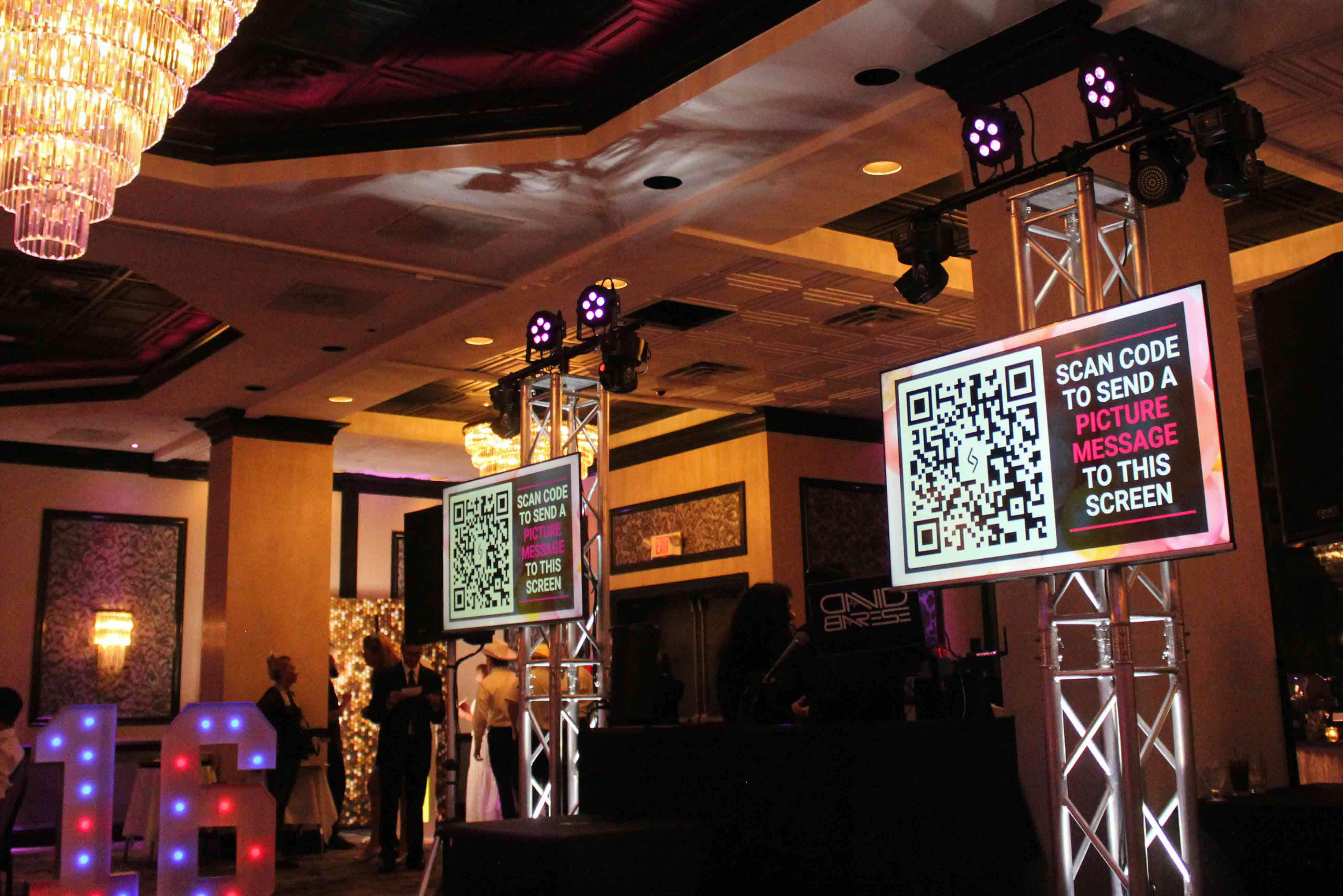
Every guest has a camera in their pocket.
Over four hours, they capture hundreds of pictures from every corner of the event: the table losing it over something nobody else caught, the grandmother who danced for exactly one song, and the bathroom-mirror group picture at 11:40.
The photos are already being taken. The problem is that nobody is collecting them.
Give every guest one shared place to add their photos, and those scattered moments become a fuller picture of the night.
That’s the opportunity for DJs: turning something guests already do into an experience you can add to the event.
Mobile DJ Load-In: What Nobody Tells New DJs
September 10, 2026
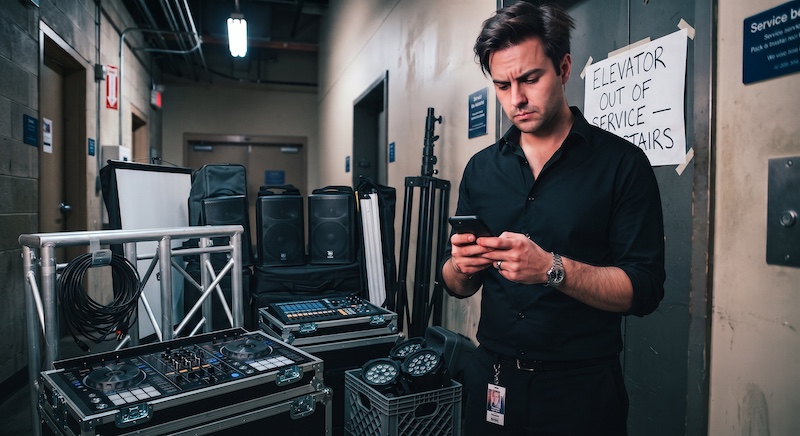
The gig posts always show the same thing: hands on the mixer, lights doing something moody, a crowd mid-cheer. Nobody posts the part before that — the forty-five minutes of stairs, the venue with exactly one working outlet on the wrong wall, the freight elevator that’s “usually fine.” That part doesn’t make the highlight reel, but it’s most of the job.
Set times get quoted in the contract. Load-in doesn’t. And that gap between “arrive at 6” and “actually playing music” is where most bad nights start — not during the set, before it.
How to DJ an Opening Set Without Blowing the Night
September 2, 2026
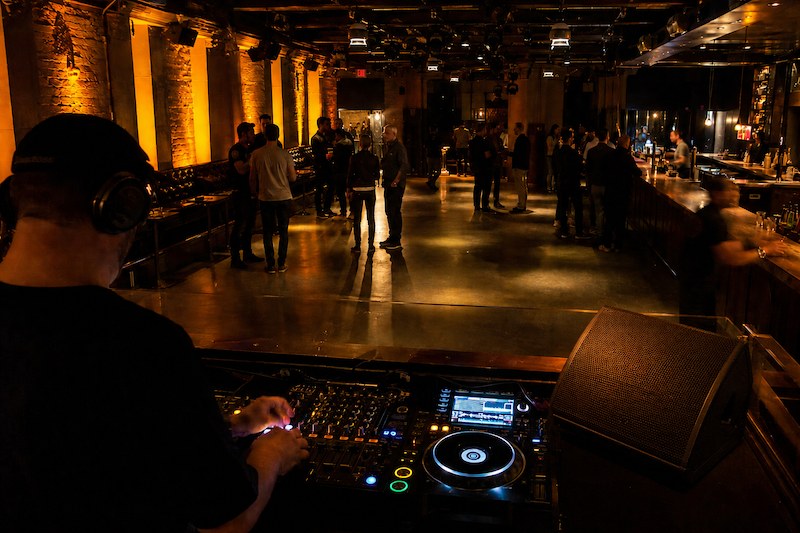
The room is half lit. Two people are at the bar, somebody’s still coiling cable behind the booth, and the promoter is outside on the phone. And someone has to play music for the next ninety minutes.
That’s the opening set. It’s the slot nobody posts about, and it’s the one that quietly decides whether the rest of the night works. A good opener makes the next DJ look like a genius. A bad one hands over a room that’s already tired at 11pm.
Most advice about warm-up sets stops at “play low energy.” That’s not wrong, but it’s not the job either, and DJs who follow it literally end up clearing rooms with slow, joyless records while telling themselves they did it right.
DJ Backup Plan: The Checklist Every Working DJ Needs
August 26, 2026
Silence in a packed room has a texture to it. The bass drops out, the room’s own noise rushes in to fill the space, and about four seconds later a hundred heads turn toward the booth at the same time. Anyone who has worked enough events knows that feeling in their stomach.
Equipment failures and software glitches sit near the top of the list of things that go wrong at DJ gigs. Not bad song choices. Not drunk guests. Hardware quitting and software acting up.
And the fix has been the same for decades: gear you can fall back on, and software you’ve actually tested.
The part most DJs get wrong is what “backup” means.
Mobile DJ Mic Technique: Sound Like You Belong Up There
August 20, 2026
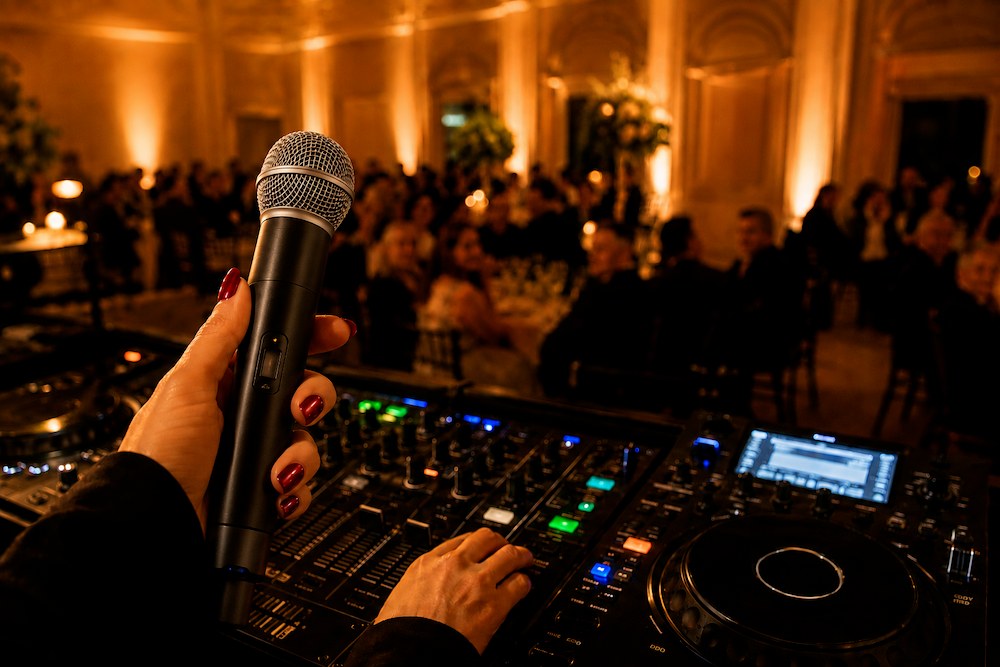
The room is fine until the mic opens.
A hundred and forty people, salad plates, that comfortable hum of twenty conversations happening at once. Then comes the first “Can I get everybody’s attention…” and the entire night turns on the next eleven seconds. Either the room quiets down and looks up, or it doesn’t, and the rest of the evening becomes a negotiation with a crowd that has already decided you’re background noise.
Mixing is a skill you can hide behind. The mic is not. It’s the one part of a mobile gig where there’s no crossfader to save you, no track to cut to, no “let the drop do the work.” Just a voice, a PA, and a room full of people who can hear every bit of hesitation.
Here’s the part that gets skipped in most DJ education: mic technique is mostly physics and structure, not charisma. Fix those two and the confidence shows up on its own.
Come Try Ribalta at Anthem Lounge – DJX ’26 Party in AC
August 8, 2026
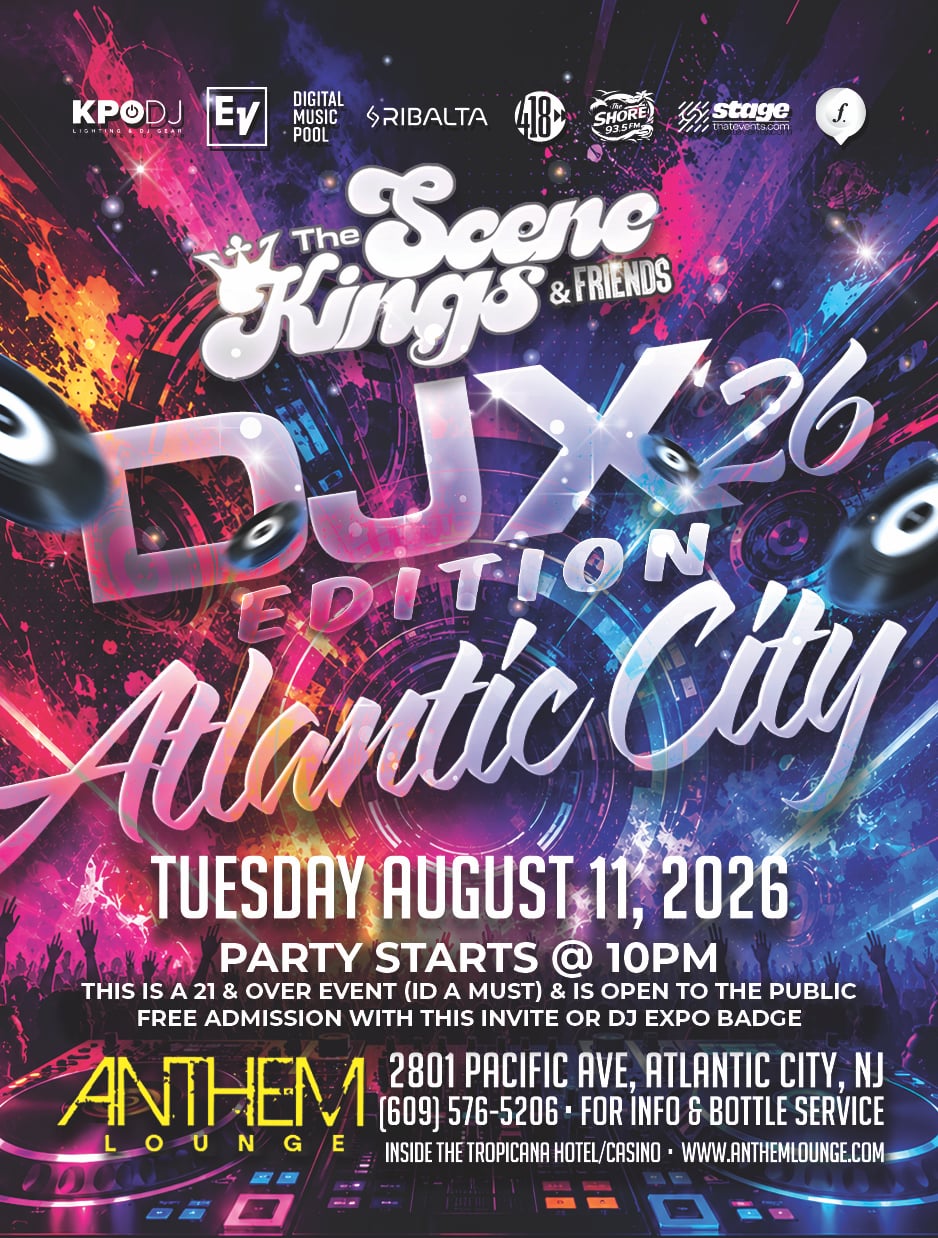
We’re proud to be an official sponsor of The Scene Kings & Friends: DJX ’26 Edition. It happens Tuesday, August 11, 2026 at Anthem Lounge in Atlantic City. The party starts at 10PM.
Even better, admission is free with the event invite or your DJ Expo badge.
Hacker Hotel 2026
July 31, 2026
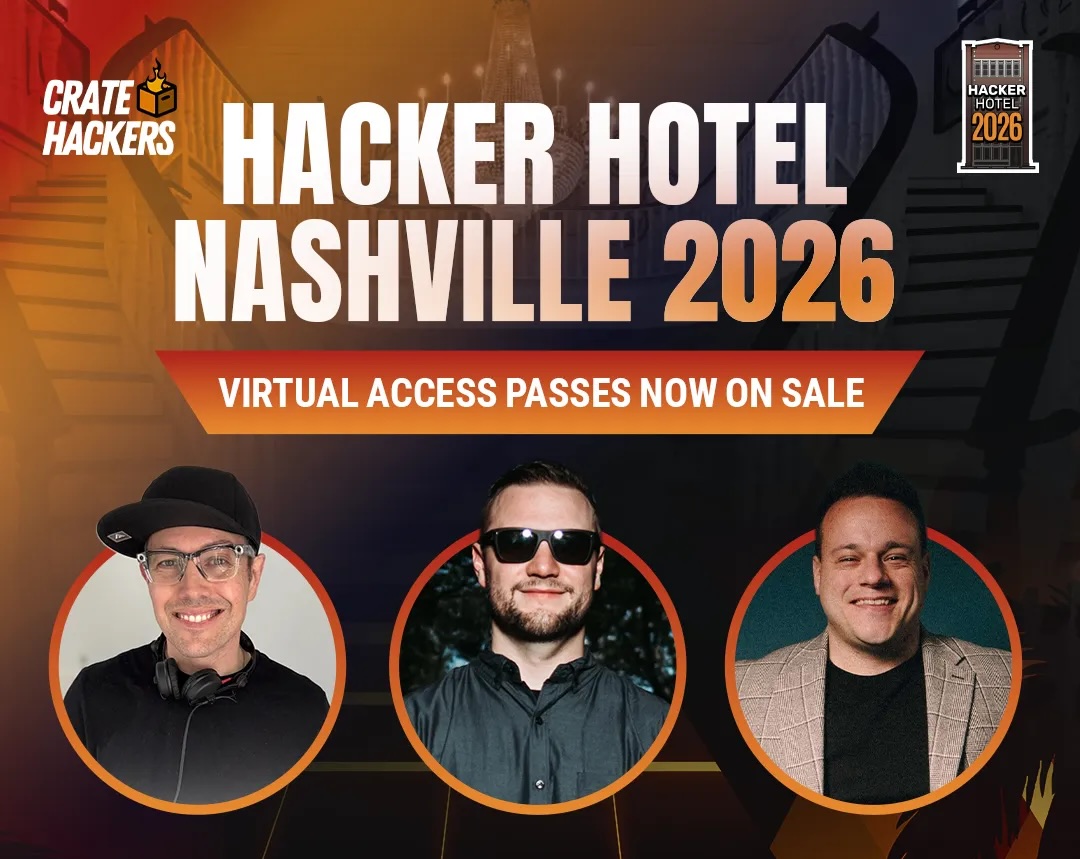
Hacker Hotel 2026 Is Almost Here — Join Us Online and Save $50
Ribalta is proud to be an official sponsor of Hacker Hotel 2026, happening August 4–6 in Nashville. While the in-person event is officially sold out, you can still experience the entire weekend from anywhere with the Virtual Access Pass.
Even better, use promo code RIBALTA to save $50 on your registration.
Handle DJ Requests Without Wrecking Your Set
July 30, 2026
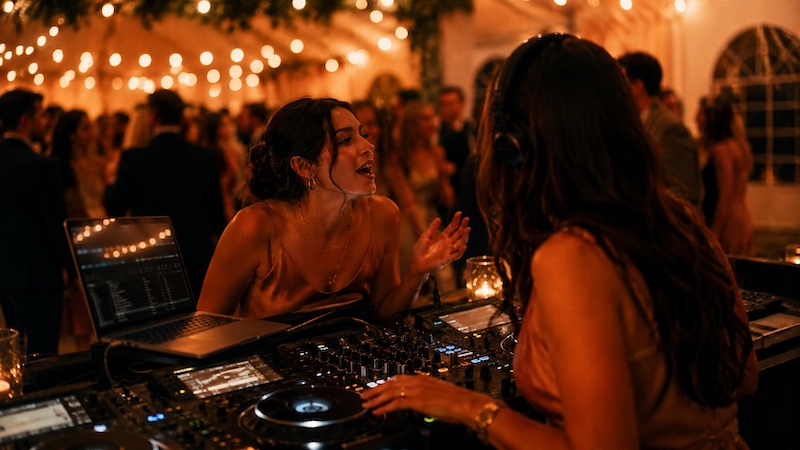
The dance floor is packed. You’ve got the next three tracks lined up and you can feel the room leaning toward you.
Then a hand appears on the booth.
“Hey — do you take requests?”
Every DJ knows that specific drop in the stomach. Not because the question is rude, but because you already know the next thirty seconds are a negotiation, and you’re trying to beatmatch while it happens.
Here’s where most advice about DJ requests goes wrong. Requests don’t wreck sets. Badly timed requests wreck sets. Badly handled requests wreck rooms.
Those are two different problems, and they need two different fixes.
How to Create a DJ Press Kit That Booking Agents Want
July 20, 2026
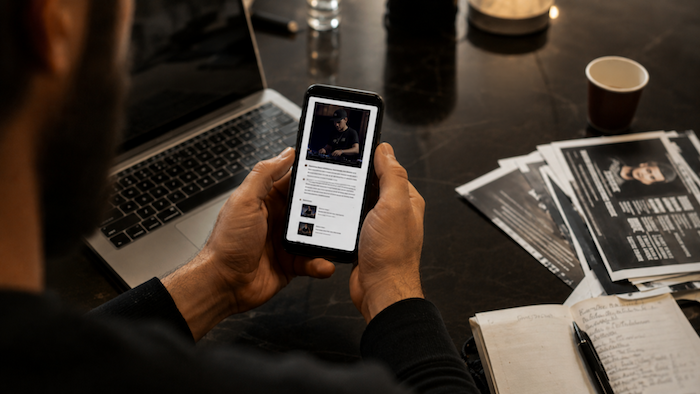
A lot of DJs treat their press kit like an afterthought. They throw together a bio, upload a few photos, and hope for the best.
But here’s the reality: your press kit is often the first impression a booking agent or promoter has of you. If it’s difficult to navigate, outdated, or missing key information, they may never even listen to your mix.
The good news? A great press kit doesn’t have to be complicated. It just needs to answer one question:
“Why should I book this DJ?”
Stage Presence Tips for DJs: Look Beyond Your Laptop
July 9, 2026
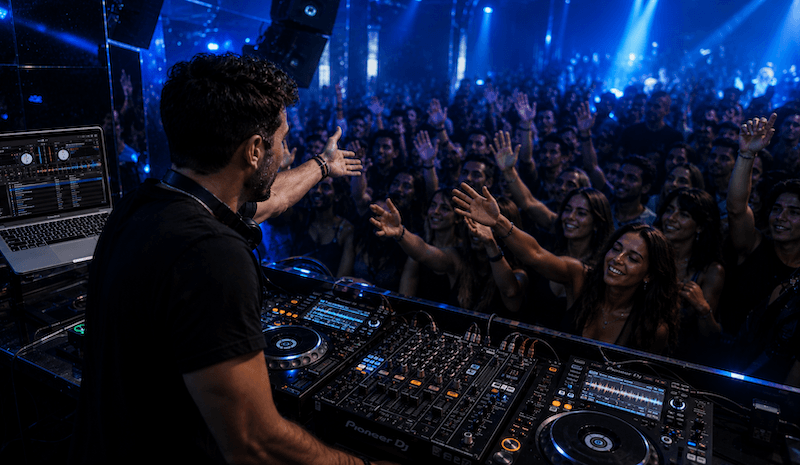
Modern DJ technology has never been better. Controllers are smarter, software is packed with features, and digital music libraries put millions of tracks within reach. Yet one problem has become increasingly common: too many DJs spend an entire set staring at a laptop instead of connecting with the crowd.
The truth is, people rarely remember the complexity of your transitions. They remember how the room felt. They remember the DJ who made eye contact, cracked a smile, and made the room feel like a shared experience. Stage presence isn’t just for festival headliners—it’s what separates someone playing music from someone creating an experience, whether you’re performing at a wedding, nightclub, corporate event, or local bar.
(more…)