Taxes for DJs: What You Can Write Off as a Working Pro
June 22, 2026
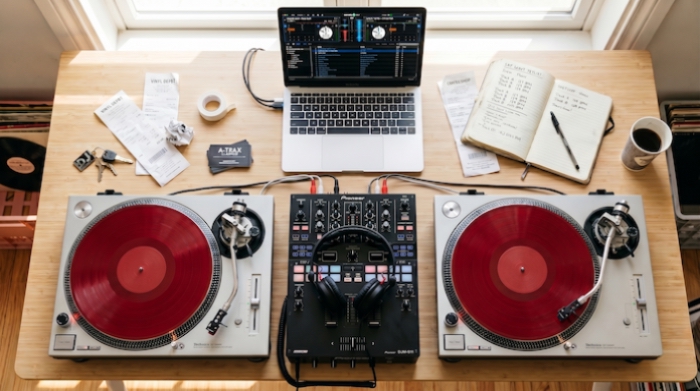
If you’re a working DJ looking to maximize your DJ tax write-offs — and you should be — the IRS treats your performances like a business. Every dollar you earn is taxable. But a significant portion of what you spend to run that business is deductible. Most self-employed DJs dramatically overpay on taxes. They don’t track their expenses or don’t know what qualifies. The write-offs available to working DJs are real, substantial, and completely legal. You just have to know what to claim.
Equipment, Gear, and Software
Every piece of gear you buy for your DJ business is potentially deductible — controllers, mixers, turntables, speakers, cables, headphones, hard drives, laptops, and tablets. Software subscriptions like Serato, rekordbox, or Traktor count too. So do music subscription services you use to build and maintain your library. Large equipment purchases normally spread out over several years under depreciation rules. But recent legislation changed that for music professionals. In July 2025, the HITS Act was signed into law. It lets independent music professionals immediately deduct up to $150,000 in qualified sound recording production costs in the year they occur.
The key requirement is that the expense must be ordinary and necessary for your business. For a working DJ, most equipment clearly meets that standard. Studio monitors you use to prep mixes are a straightforward deduction. A laptop used for both personal and work tasks can still be deducted — just claim the percentage used for work. Keep your receipts. Note the business purpose of each purchase when you buy it. That habit saves a lot of stress if you’re ever audited.
Travel, Mileage, and Gig-Related Expenses
Every mile you drive to a gig, to meet a client, or to pick up gear is deductible. The IRS standard mileage rate for 2025 is 70 cents per mile. You can also deduct tolls and parking fees on top of that. Flights, hotels, and 50 percent of meal costs for out-of-town gigs are deductible too. Ride-share fares to and from a venue count as well. If you own a cargo van or vehicle you use primarily to haul equipment, a portion of its operating costs — insurance, fuel, maintenance — may be deductible.
The catch is documentation. You need to log your business mileage and keep records of each trip. The IRS wants to see dates, destinations, and business purpose. An app like MileIQ or TripLog handles this automatically. A simple spreadsheet updated weekly works too. DJs playing gigs across multiple cities can rack up thousands of deductible miles per year. At 70 cents per mile, that’s real money. Skipping this deduction is one of the most costly mistakes self-employed musicians make.
Marketing, Promotion, and Professional Development
Website hosting, domain fees, and paid advertising are all deductible business expenses. So are business cards, promotional materials, and fees you pay to booking platforms or agency directories. Hire a photographer for press shots? Deductible. Pay a designer for your logo? Deductible. Music you buy for your DJ library — not personal listening — qualifies as a business expense too. Just draw a clear line between professional and personal purchases. Social media ads, email marketing tools, and PR consultants all fall under this category.
Professional development is equally deductible and often overlooked. Courses, workshops, music production training, and business coaching all count. Attending a DJ convention, industry conference, or trade show? Registration fees and travel expenses are deductible. Industry publication subscriptions may qualify too. The principle is simple: if the expense helps you do your job better or earn more as a DJ, it belongs in your deductions.
DJ Tax Write-Offs Most Pros Miss: The Home Office Deduction
Do you have a dedicated space at home for your DJ business? Maybe you store gear there, prep sets, handle client emails, or do your bookkeeping. If so, you may qualify for the home office deduction. The space must be used regularly and exclusively for business. It can’t double as a guest room. But it doesn’t need to be a full room — a clearly defined area used only for work can qualify.
There are two ways to calculate it. The simplified method lets you deduct $5 per square foot, up to 300 square feet. The actual expense method lets you deduct a share of your rent, mortgage interest, utilities, internet, and home insurance — based on the percentage of your home used for business. Check the IRS home office deduction guide to compare both. You can also deduct half of your self-employment tax. That’s meaningful relief since self-employed workers pay both the employee and employer share. Work with a CPA who knows the music industry. Your tax bill is likely lower than you think.