Everyone Took Photos. Nobody Collected Them.
September 17, 2026
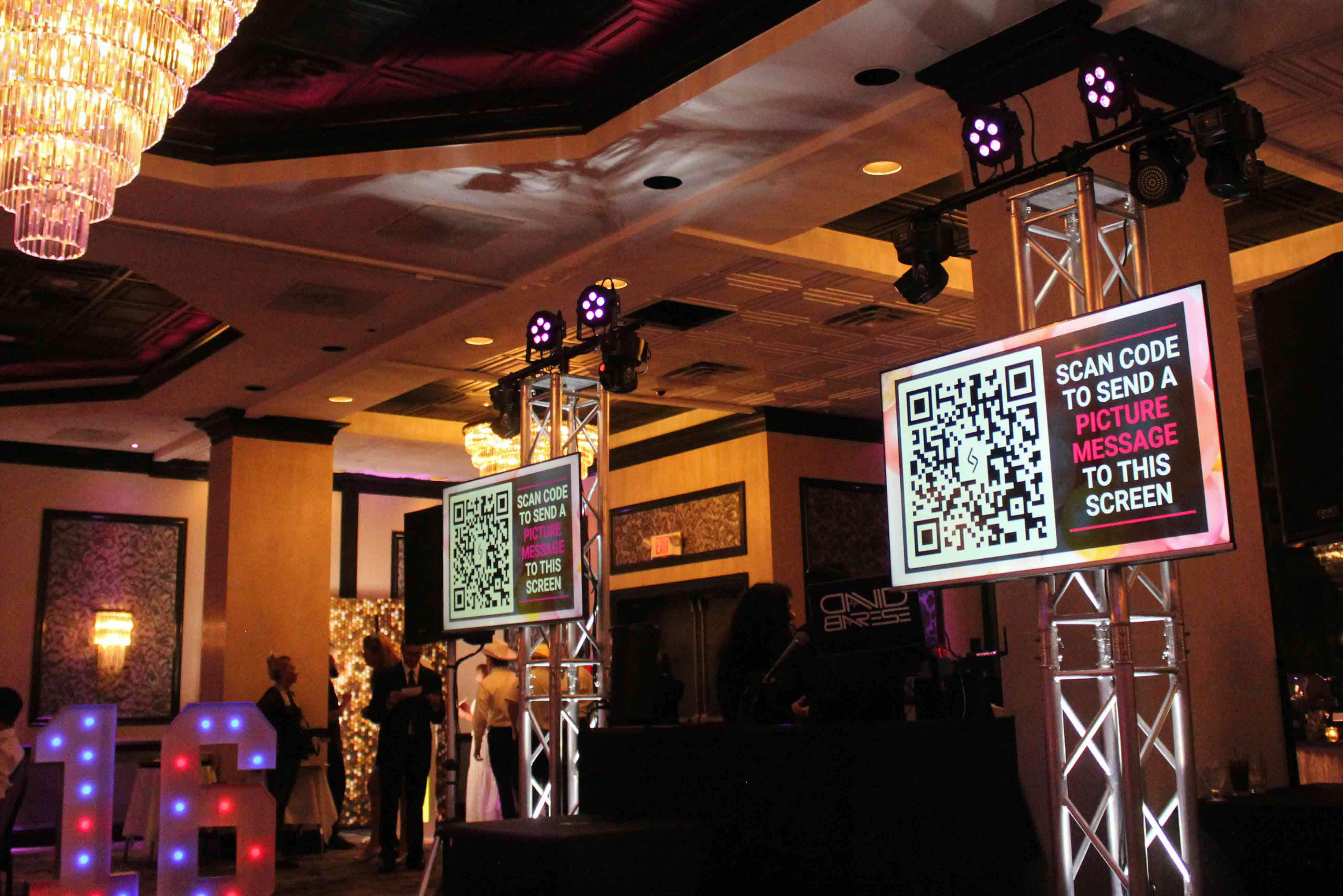
Every guest has a camera in their pocket.
Over four hours, they capture hundreds of pictures from every corner of the event: the table losing it over something nobody else caught, the grandmother who danced for exactly one song, and the bathroom-mirror group picture at 11:40.
The photos are already being taken. The problem is that nobody is collecting them.
Give every guest one shared place to add their photos, and those scattered moments become a fuller picture of the night.
That’s the opportunity for DJs: turning something guests already do into an experience you can add to the event.
Mobile DJ Load-In: What Nobody Tells New DJs
September 10, 2026
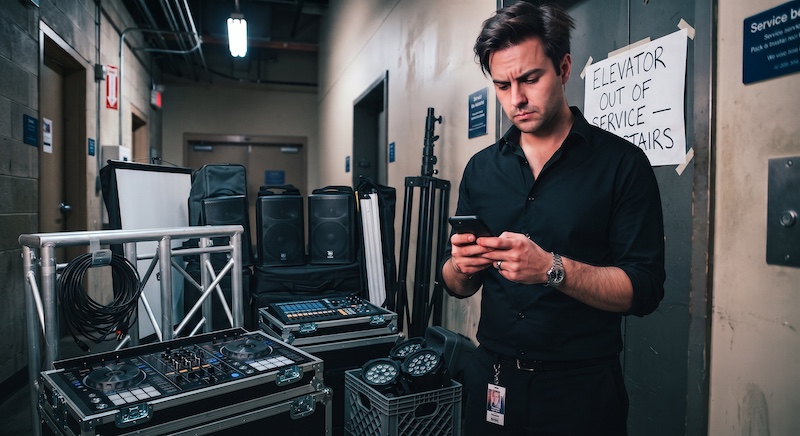
The gig posts always show the same thing: hands on the mixer, lights doing something moody, a crowd mid-cheer. Nobody posts the part before that — the forty-five minutes of stairs, the venue with exactly one working outlet on the wrong wall, the freight elevator that’s “usually fine.” That part doesn’t make the highlight reel, but it’s most of the job.
Set times get quoted in the contract. Load-in doesn’t. And that gap between “arrive at 6” and “actually playing music” is where most bad nights start — not during the set, before it.
How to DJ an Opening Set Without Blowing the Night
September 2, 2026
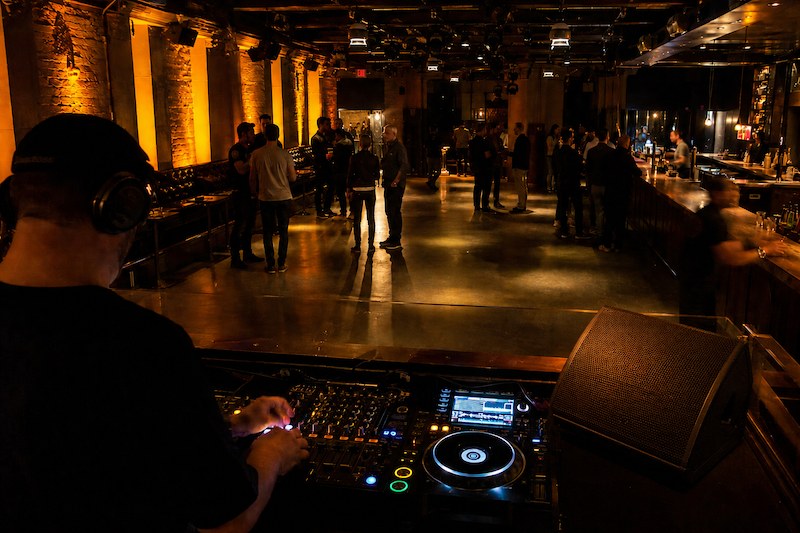
The room is half lit. Two people are at the bar, somebody’s still coiling cable behind the booth, and the promoter is outside on the phone. And someone has to play music for the next ninety minutes.
That’s the opening set. It’s the slot nobody posts about, and it’s the one that quietly decides whether the rest of the night works. A good opener makes the next DJ look like a genius. A bad one hands over a room that’s already tired at 11pm.
Most advice about warm-up sets stops at “play low energy.” That’s not wrong, but it’s not the job either, and DJs who follow it literally end up clearing rooms with slow, joyless records while telling themselves they did it right.