How to Create a DJ Press Kit That Booking Agents Want
July 20, 2026
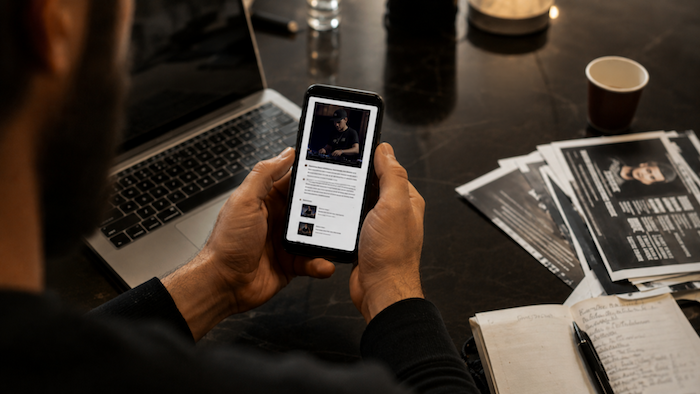
A lot of DJs treat their press kit like an afterthought. They throw together a bio, upload a few photos, and hope for the best.
But here’s the reality: your press kit is often the first impression a booking agent or promoter has of you. If it’s difficult to navigate, outdated, or missing key information, they may never even listen to your mix.
The good news? A great press kit doesn’t have to be complicated. It just needs to answer one question:
“Why should I book this DJ?”
Think of your press kit as your professional résumé. It gives promoters, venues, and event planners the information they need to quickly decide whether you’re the right DJ for the job.
Think Like the Person Doing the Booking
When someone opens your press kit, they’re usually looking for the same basic things:
- What kind of DJ are you?
- Does your style fit this event or venue?
- Are there photos that can go straight into promotion?
- Where can they hear you?
- How do they book you?
If those answers are easy to find, you’ve already made their job easier. If they have to dig through paragraphs, hunt for links, or guess what kind of rooms you actually play, you’ve added friction before the conversation starts.
Your Bio Should Explain Where You Are Today
Tell people what you play, where you play it, and what you’re known for. That’s the job.
Write it in third person because promoters and event planners regularly paste artist bios into event listings, websites, and social posts. If your bio is written in first person, someone usually ends up rewriting it anyway. Keep both a short version and a long version ready so you have the right one for whatever opportunity comes along.
Use Photos That Actually Look Like You
Your press photos should show the DJ someone is hiring today. A handful of high-quality images is plenty: a couple of portraits and a couple of you actually behind the decks in a room full of people.
Skip the blurry phone shots and the heavy filters. Skip anything that no longer reflects how you look. If you changed your hairstyle, shaved the beard, or updated your image, your photos should reflect that. Whoever books you should recognize the person who walks through the door.
One practical tip: include at least one horizontal photo with some breathing room around you. Flyer designers need space for event details, logos, and dates, and if every photo is a tightly cropped vertical portrait, they’re going to have a much harder time making it work.
Let Them See You DJ
A mix tells people what you sound like. A performance video shows them what hiring you actually looks like—how you read a room, whether you’re glued to the laptop, and what the energy on the dance floor looks like. Those are different questions, and your press kit should answer both.
Real event footage beats a polished studio edit. It doesn’t need cinematic production. It needs to show you doing the thing you’re asking someone to pay you to do.
The same goes for your mixes. Share two or three of your strongest examples instead of your entire back catalogue. Pick the starting point for them.
Show the Experience That Matters
The common mistake is treating a press kit like a career archive. It isn’t one.
Pitching weddings? Lead with weddings and testimonials. Chasing club bookings? Lead with your club work and any residencies you’ve held. Corporate events? Lead with professionalism, reliability, and experience working in that environment.
Here’s where I’ll lose some people: I don’t think the logo wall of every venue you’ve ever played helps you. It reads as padding, and a buyer who knows the scene can usually tell the difference between a residency and a one-off guest appearance. A few relevant bookings that support the opportunity you’re pursuing tell a much stronger story than a page full of logos.
Make It Easy to Contact You
Your booking email should be obvious. Your website should be obvious. If you take inquiries through Instagram DMs, say so—but remember that many promoters and booking agents still prefer email because it’s easier to organize and follow up.
Once someone has decided to contact you, nothing should slow them down.
Mistakes That Cost DJs Bookings
Most weak press kits belong to good DJs. The problems are almost always logistical.
- Broken links. Test them from a browser where you aren’t logged into your own accounts.
- Expiring file-sharing links. Make sure someone can still access your press kit later.
- Outdated photos.
- A bio so long the important information is buried.
- Too many mixes with no clear starting point.
- Large file attachments instead of a simple shareable link.
None of this reflects your ability behind the decks. All of it makes you look like more work than the next name in the folder.
One Press Kit Doesn’t Fit Every Opportunity
The foundation stays the same; the emphasis changes.
A nightclub talent buyer wants different information than a wedding planner, and a wedding planner wants different information than someone booking entertainment for a corporate event.
Reordering your press kit for the person you’re pitching shows you understand who you’re talking to. Sending everyone the exact same presentation usually shows the opposite.
Keep It Current
Your press kit should grow with your career.
Every few months, take a few minutes to update your photos, replace older mixes, add recent testimonials, and remove anything that no longer reflects where you are today.
An updated press kit shows you’re active, professional, and paying attention to your brand.
Final Thoughts
A great DJ press kit isn’t about proving you’ve done everything—it’s about making it easy for someone to say yes. If someone has to work to figure out who you are, they’ll usually move on to the next DJ. The easier you make it to book you, the more likely you are to get booked.